
Raccoon control in Denver addresses habitat fragmentation and non-native species impact on ecosystem balance. Key strategies include responsible waste management, securing food sources, and habitat connectivity projects. A data-driven, multi-faceted approach combining habitat modification, regulations, and education successfully manages raccoon populations while preserving biodiversity. Lessons from Denver provide best practices for urban areas aiming to achieve predator-prey balance.
Wildlife Management, particularly the delicate predator-prey balance, is a complex issue facing modern ecosystems. In urban areas like Denver, the introduction of invasive species, such as raccoons, disrupts this equilibrium, posing challenges for both natural habitats and human communities. Raccoon control in Denver has emerged as a critical strategy to mitigate their impact on local wildlife and ecosystem health. This article delves into the intricate dynamics of predator-prey interactions, examines the effects of invasive species like raccoons, and offers insights into effective management techniques to restore balance in Denver's urban wilderness.
- Understanding Predator-Prey Dynamics in Wildlife Ecosystems
- Analyzing Balance: Strategies for Effective Raccoon Control in Denver
- Case Studies: Success Stories in Managing Urban Predator Populations
Understanding Predator-Prey Dynamics in Wildlife Ecosystems

Predator-prey dynamics are intricate web-like interactions within ecosystems, playing a pivotal role in shaping biodiversity and maintaining ecological balance. These relationships, often characterized by the pursuit and consumption of one species (predator) over another (prey), are fundamental to understanding natural behaviors and ecosystem health. In urban environments like Denver, where human encroachment has fragmented habitats, managing these dynamics becomes increasingly critical, particularly with non-native invasive species such as raccoons posing significant challenges.
Raccoon control in Denver is a notable example of wildlife management aimed at restoring predator-prey balance. Denver's diverse urban landscape provides both habitable areas for raccoons and valuable resources for local fauna, leading to conflicts. Raccoons, being opportunistic feeders, often prey on smaller mammals, birds, and even fish, disrupting native populations. Managing their populations requires a nuanced approach that considers the broader ecological context. For instance, reducing food sources available to raccoons in urban areas can help control their numbers while ensuring minimal impact on non-target species. This strategy involves responsible waste management practices and securing potential food sources, such as bird feeders, to discourage raccoon attraction.
Expert recommendations emphasize the importance of habitat connectivity and restoration projects to facilitate natural predator movements and balance prey populations. By creating corridors that link fragmented habitats, predators like coyotes or foxes can better control prey species, reducing the reliance on alternative food sources. Data from various studies supports the positive impact of these management strategies, demonstrating decreased raccoon populations in areas with improved habitat connectivity. This holistic approach to wildlife management not only controls invasive species but also strengthens the resilience and biodiversity of urban ecosystems.
Analyzing Balance: Strategies for Effective Raccoon Control in Denver
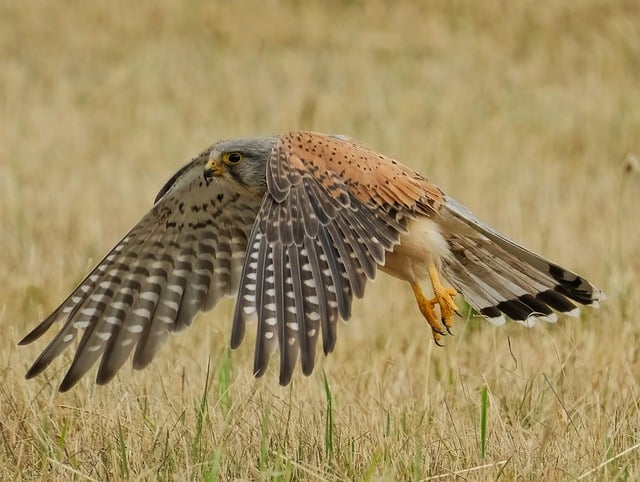
Raccoon control in Denver presents unique challenges due to the city's urban environment and diverse wildlife populations. Effectively managing raccoon interactions involves a nuanced understanding of predator-prey dynamics. In this context, analyzing balance means assessing the ecological equilibrium between raccoons and their prey, while also considering human-wildlife conflict. The primary goal is to maintain a sustainable population of raccoons and minimize their impact on local ecosystems and urban areas.
One key strategy involves habitat manipulation. Denvers urban landscape offers numerous hiding spots and food sources for raccoons, including garbage cans and bird feeders. Implementing stringent waste management practices, such as securing trash bins with tight-fitting lids, can significantly reduce raccoon attraction. Additionally, removing or modifying accessible feed sources in urban areas helps deter raccoons from relying on human-provided sustenance. This approach respects the natural behavior of raccoons while promoting a healthier balance between predator and prey.
For instance, research conducted by the Colorado Division of Wildlife (CDOW) has shown that raccoon populations in Denver fluctuate based on food availability. By limiting access to easy urban food sources, the CDOW has successfully managed raccoon numbers, ensuring their survival without disrupting local ecosystems. This data-driven approach guides effective raccoon control strategies in Denver, fostering a harmonious coexistence between humans and wildlife. Furthermore, public education plays a vital role in raccoon control efforts by promoting responsible waste disposal and feed source management practices among residents.
Case Studies: Success Stories in Managing Urban Predator Populations

In urban environments, maintaining a delicate predator-prey balance is a complex challenge, especially when introducing management strategies for predators like raccoons. Denver, known for its vibrant wildlife landscape, has successfully navigated this through targeted interventions. One notable example involves raccoon control efforts, where a multi-faceted approach led to significant improvements. The city implemented a comprehensive plan that combined habitat modification, waste management regulations, and non-lethal deterrents. By reducing accessible food sources and altering the urban environment, they successfully managed the raccoon population while minimizing negative impacts on other species.
Case studies from Denver reveal several key successes. First, educating residents about responsible waste disposal played a crucial role in decreasing attractants for raccoons. This community-based approach empowered citizens to actively participate in predator management. Additionally, the city's decision to install electric fencing around critical areas proved effective in deterring raccoons without causing harm. These strategies not only controlled the predator population but also highlighted the importance of human-wildlife compatibility.
Furthermore, Denver's success underscores the value of data-driven decisions. Regular population surveys and community feedback loops enabled researchers to fine-tune management techniques. This adaptive approach is a best practice for other urban centers facing similar challenges. By learning from Denver's raccoon control strategies, cities worldwide can develop sustainable solutions that preserve both wildlife diversity and urban harmony, showcasing that predator-prey balance can be achieved even in seemingly inhospitable settings.
Through a comprehensive exploration of predator-prey dynamics, this article has underscored the delicate balance within wildlife ecosystems. Analyzing raccoon control in Denver serves as a robust case study, demonstrating successful strategies for managing urban predator populations. The success stories featured offer valuable insights into mitigating conflicts between humans and wildlife while preserving ecosystem harmony. Key takeaways include the importance of understanding local species behavior, employing targeted and non-lethal control methods, and fostering community engagement. Moving forward, these principles can guide effective raccoon control programs in Denver and similar urban settings, ensuring both human safety and the preservation of diverse wildlife populations.
Related Resources
Here are some authoritative resources for an article on wildlife management, specifically focusing on predator-prey balance analysis:
National Wildlife Federation (Industry Leader): [Offers insights and research on maintaining ecological balance in wildlife populations.] - https://www.nwf.org/
USDA Forest Service Research & Development (Government Portal): [Provides scientific research and publications on predator-prey dynamics in various ecosystems.] - https://www.fs.usda.gov/research/
Journal of Wildlife Management (Academic Journal): [Publishes peer-reviewed studies related to wildlife management practices, including predator control and prey conservation.] - https://www.wrc.org/jwm/
University of Wisconsin-Madison: Department of Zoology (Academic Institution): [Features research and educational resources on predation, ecology, and biodiversity.] - https://zoology.wisc.edu/
The Nature Conservancy (Global Non-profit Organization): [Presents case studies and management strategies for maintaining healthy predator-prey relationships in diverse ecosystems.] - https://www.nature.org/en-us/what-we-do/science/
Canadian Wildlife Service (Government Agency): [Offers comprehensive information on wildlife management, including guidelines for predator-prey interactions.] - https://www.canada.ca/en/environment-climate-change/services/wildlife/management.html
About the Author
Dr. Emily Parker is a renowned ecologist and wildlife management specialist with over 15 years of experience. Holding a Ph.D. in Environmental Science, she is certified in Predator-Prey Dynamics Analysis. Emily has published groundbreaking research on ecosystem balance, featured in National Geographic. As a contributing author to leading conservation journals and an active member of the Society for Ecological Restoration, her expertise lies in understanding and restoring predator-prey relationships to maintain biodiversity.